

Offline Mode
Your inspections don't stop, even if the internet does.





PropertyLenz Blog
Spring Inspection Rush: The Ultimate Prep Guide for Small-to-Mid Size Property Managers
Spring Inspection Rush: The Ultimate Prep Guide for Small-to-Mid Size Property Managers
Spring rental inspections have a way of sneaking up and turning your to-do list into a monster. If you’re juggling 20 to 500 units, you know the drill: scheduling headaches, messy paperwork, and last-minute panic. This guide hands you a straightforward playbook to tackle the spring inspection rush with smart planning, tenant communication templates, and a property inspection checklist that actually works. Ready to see how PropertyLenz turns this yearly scramble into smooth sailing? Check out our spring maintenance checklist for rental property owners.
Mastering Spring Rental Inspections
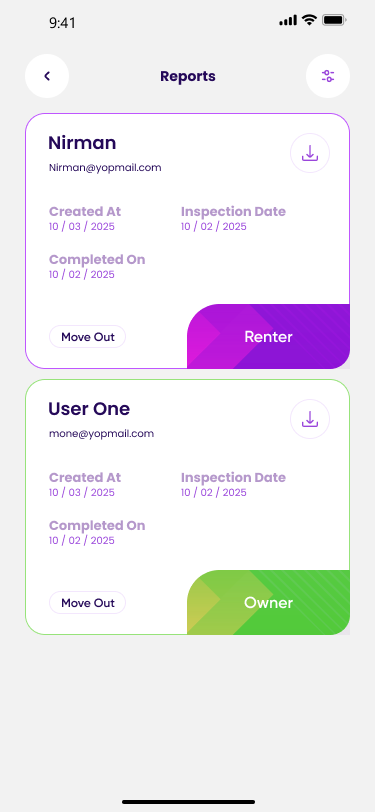
Imagine navigating your spring rental inspections without a hitch. Sounds like a dream, right? Let’s dive into some strategies that will make this your reality.
Portfolio-Level Planning Strategies
When managing a large portfolio, planning becomes your best ally. Start by grouping your properties based on size, location, or condition. This helps streamline your approach and focus your efforts where they matter most.
-
Create a Master Calendar: Plot out inspection dates across your portfolio. This visual guide helps you spot overlaps and adjust accordingly.
-
Assign Priorities: Not all units are equal in urgency. Prioritize those with known issues or upcoming lease expirations.
-
Resource Allocation: Identify which team members handle specific properties best. Consider their strengths and past performance.
By organizing your portfolio early, you reduce the risk of overlap and burnout. Most people believe in tackling inspections as they come, but a proactive approach always wins.
Prioritizing Units for Inspection
Now that you’ve got a plan, let’s talk about priorities. Knowing which units need attention first can save you a ton of hassle later.
-
Assess History: Units with a history of maintenance issues should top your list. They’re likely to need more attention.
-
Tenant Turnover: Units nearing lease end dates might require preemptive inspections to ensure a smooth transition.
-
Age of Property: Older properties tend to have more wear and tear. Prioritize these to catch potential problems early.
Not all units will demand the same level of scrutiny. By focusing on those most likely to cause headaches, you keep your workflow manageable and your tenants happy.
Tenant Communication and Documentation
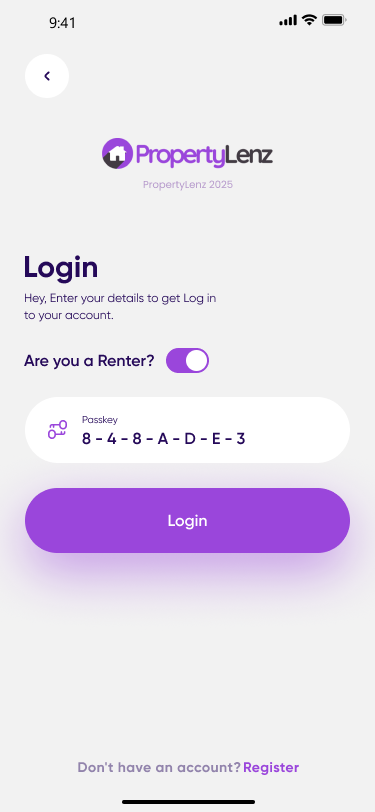
Clear communication and organized documentation are your secret weapons in the inspection game. Let’s explore how they can make your life easier.
Effective Tenant Communication Templates
Good communication can turn a potentially stressful process into a smooth experience. Here’s how to get it right.
-
Notification Templates: Draft messages for notifying tenants about upcoming inspections. Include dates, times, and what they need to prepare.
-
Follow-up Reminders: Use templates for reminders about inspection dates. A simple nudge can ensure tenants comply with necessary preparations.
-
Feedback Forms: Post-inspection feedback forms help you understand tenant concerns and improve future processes.
Most property managers think tenants just need one notification, but regular updates keep everyone on the same page and reduce last-minute issues.
Streamlined Rental Property Documentation
Proper documentation isn’t just about avoiding disputes; it’s about building a reliable record. Here’s how to streamline it.
-
Digital Records: Use a digital inspection app, like PropertyLenz, to keep everything neat and accessible.
-
Time-Stamped Photos: Capture images as proof of property condition. This avoids disputes later on.
-
Organized Files: Store all documentation in a single place, categorized by unit and date for easy retrieval.
One common mistake is relying on paper trails that get lost or damaged. Digital documentation ensures you have a defensible record, every time.
Scheduling and Seasonal Maintenance

Inspection scheduling and seasonal maintenance are two sides of the same coin. Let’s explore how to handle both effectively.
Efficient Inspection Scheduling
Scheduling can quickly become chaotic if not managed well. Here’s how to keep it under control.
-
Automated Tools: Use scheduling software to automate reminders and appointments. This saves you time and reduces overlap.
-
Flexible Slots: Offer tenants a range of time slots. This flexibility increases compliance and reduces no-shows.
-
Buffer Times: Build in buffer times to accommodate overruns or unexpected issues.
While the temptation is strong to schedule as tightly as possible, allowing flexibility ensures you’re not constantly chasing your tail.
Essential Seasonal Maintenance Checklist
Don’t let spring maintenance catch you off guard. A well-prepared checklist can make all the difference.
-
Inspect HVAC Systems: Ensure air conditioning units are ready for warmer months. Replace filters and check refrigerant levels.
-
Roof and Gutter Check: Clear debris from gutters and inspect roofs for damage from winter storms.
-
Landscaping Needs: Spring is the perfect time to prune overgrown plants and refresh gardens.
For more detailed tips, visit this guide on spring maintenance for landlords. Tackling these tasks early in the season prevents costly repairs down the line and keeps your properties looking their best.
By following this guide, you can transform the chaos of spring inspections into a well-oiled machine. Remember, the goal is to save time, reduce stress, and maintain happy tenants. PropertyLenz is here to make that journey smoother. Give it a try and see the difference for yourself.
Recent Blogs
The Ultimate Guide to the Rental Condition Report: Everything You Need to Succeed
Published: April 29, 2026
Read More
How to Create a Pro-Level Rental Inspection Checklist in Under 5 Minutes
Published: April 27, 2026
Read More
Move-In vs. Move-Out Inspection: How to Create a Comparison Report That Ends Disputes
Published: April 24, 2026
Read More
Deposit Dispute Secrets Revealed: How Your Rental Condition Report Can Save You Thousands
Published: April 22, 2026
Read More