

Offline Mode
Your inspections don't stop, even if the internet does.





PropertyLenz Blog
Rental Home Inspections: A Complete Guide for Landlords
Keeping your rental property in excellent condition starts with regular Rental Home Inspections. Whether you own a single rental or manage multiple properties, scheduled inspections help identify maintenance issues early, protect your investment, and create a better experience for both landlords and tenants.
With the right inspection process, you can reduce unexpected repair costs, improve documentation, and avoid disputes at the end of a tenancy.
Why Rental Home Inspections Matter
Routine Rental Home Inspections allow landlords to monitor the condition of their properties and ensure tenants are maintaining the home properly. Detailed inspection reports also provide valuable records that can be used when discussing repairs or security deposits.
Some of the key benefits include:
- Detect maintenance issues before they become expensive.
- Document the property’s condition with photos and notes.
- Reduce tenant disputes and protect security deposits.
- Keep rental properties safe and well maintained.
What Should You Check During Rental Home Inspections?
A thorough inspection should cover both the interior and exterior of the property. Check walls, ceilings, flooring, doors, windows, kitchens, bathrooms, appliances, and outdoor areas for any signs of damage or maintenance concerns.
Taking clear photos during each inspection helps create an accurate record for future comparisons.
Simplify Rental Home Inspections with Digital Software
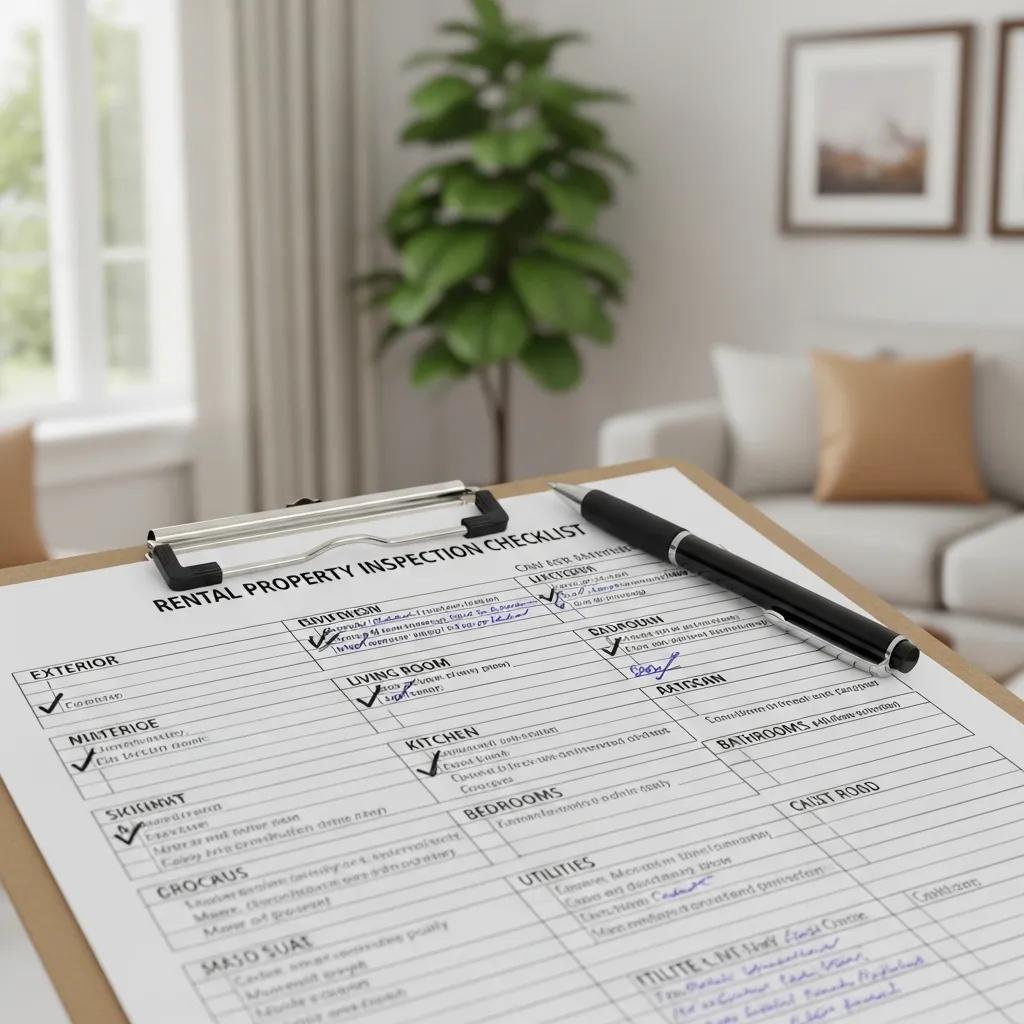
Paper checklists can be difficult to organize and often lead to incomplete records. Modern inspection software like PropertyLenz makes Rental Home Inspections faster and more efficient by allowing landlords to capture photos, add notes, generate professional reports, and securely store inspection history in one place.
Digital reports also make it easier to compare move-in and move-out inspections while keeping documentation organized.
Final Thoughts
Regular Rental Home Inspections are one of the most effective ways to protect your rental property and maintain strong tenant relationships. By following a consistent inspection process and using digital inspection software, landlords can save time, improve accuracy, and confidently manage their rental properties.
Recent Blogs
The Ultimate Guide to the Rental Condition Report: Everything You Need to Succeed
Published: April 29, 2026
Read More
How to Create a Pro-Level Rental Inspection Checklist in Under 5 Minutes
Published: April 27, 2026
Read More
Move-In vs. Move-Out Inspection: How to Create a Comparison Report That Ends Disputes
Published: April 24, 2026
Read More